Why Tortoise Pattern Design is Your Next Secret Weapon for Creative Projects
Understanding the Tortoise Pattern: More Than Just a Shell
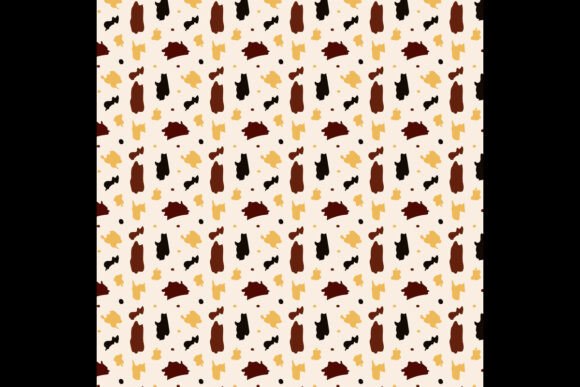
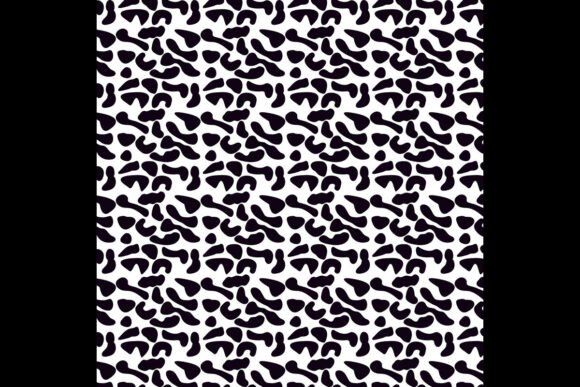
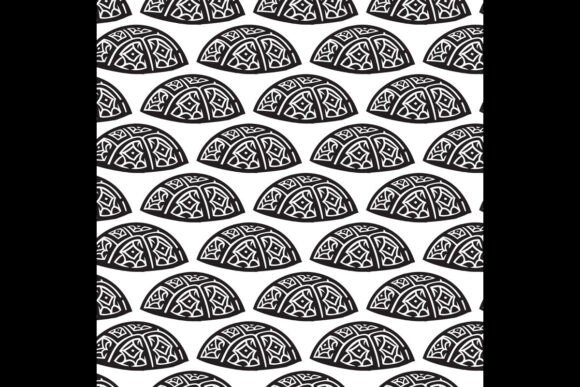
When you first encounter the Tortoise Pattern Design, it’s easy to see why it’s becoming a staple in digital asset libraries. This isn’t just a generic animal print; it’s a carefully curated aesthetic that balances organic warmth with geometric precision. The visual characteristics rely on the classic, irregular mosaic of a tortoise shell, but refined for modern application. You’ll notice the gradients and blending—usually ranging from deep ambers and browns to lighter yellows and blacks—create a sense of depth that flat colors often lack.
What makes this specific pattern stand out is its personality. It straddles the line between vintage charm and contemporary luxury. Unlike a leopard print, which can sometimes read as aggressive or edgy, the tortoise pattern feels grounded, natural, and sophisticated. It has an inherent "heritage" quality to it, evoking the look of antique eyewear or vintage jewelry, yet it translates perfectly into clean, modern design. Whether you are working with the Solid Color version for a punchy, graphic look or the Distressed Effect for something more tactile and rustic, the pattern offers a versatile foundation that doesn’t overwhelm the viewer.
Real-World Applications: Where This Pattern Shines
The true value of a design asset lies in its utility. The Tortoise Pattern Design isn't just for looking at; it's built for production. Because the package includes high-resolution files (2400x2400 px at 300 dpi), you have the clarity needed for large-format printing and the scalability required for digital interfaces. This makes it a powerhouse for a variety of industries.
For entrepreneurs and small business owners, the applications are immediate. Imagine this pattern applied to packaging design—specifically on gift wrap, stationery, or notebooks. It adds a layer of perceived value that generic patterns cannot match. If you are in the fashion or apparel space, the vector scalability ensures that the pattern remains crisp on leggings, tote bags, or even baby towels, regardless of the fabric texture.
Digital creators will find the SVG and EPS files particularly useful. The transparent background allows for seamless integration into web design projects, social media headers, or mousepads and phone cases sold through print-on-demand services. Because the files are easy to edit, you can adjust the hue to match specific brand guidelines, turning a standard tortoise print into a custom brand asset that speaks directly to your audience.
Strategic Integration: Elevating Brand Identity and Visual Hierarchy
As a designer or brand strategist, you know that every element on a page contributes to the story. Using the Tortoise Pattern Design effectively requires understanding how it influences visual hierarchy and brand perception. A pattern this distinct works best as an accent or a background texture that supports, rather than fights with, your primary typography.
Consider using this pattern to create contrast. If your brand identity relies on clean, sans-serif fonts, the organic irregularity of the tortoise pattern can soften the overall look, making the brand feel more approachable and human. Conversely, pairing it with a delicate script font can amplify a sense of luxury and elegance, perfect for high-end event invitations or boutique product labels.
However, readability is key. Because the pattern has inherent movement and texture, placing dense body text directly over it can be challenging. Use the pattern to frame your content or apply it to large, negative spaces where the text can breathe. For example, on a party decoration or a sticker, the pattern might cover the entire background, but the text should be placed on a solid overlay or cut out in white to ensure legibility.
Practical Tips for Working with the Assets
When you download the ZIP folder, you are getting a toolkit designed for efficiency. The inclusion of both JPG and SVG formats means you are covered for raster-based software like Photoshop and vector-based tools like Illustrator or Canva. Here is how to get the most out of these assets:
- Color Customization: The prompt mentions the files are easy to edit. Don't settle for the default brown and amber. Experiment with non-natural colorways. A blue-toned tortoise pattern or a monochromatic grey version can feel incredibly modern and abstract, fitting for tech accessories or minimalist brand identity work.
- Layering Techniques: Use the Distressed Effect version for projects that need a tactile feel, like scrapbooks or vintage-style cards. Use the Solid Color version for tumblers and pillows where clean edges are necessary for vinyl cutting or sublimation printing.
- Scale Matters: Don't be afraid to resize the pattern drastically. Zoomed in, the tortoise shell creates an abstract, cellular texture that works well for web design backgrounds. Zoomed out, it reads clearly as a distinct motif for stationery and gift wrap.
Ultimately, the Tortoise Pattern Design is a versatile addition to any creative’s arsenal. It offers a bridge between nature and design, providing a timeless aesthetic that can be adapted to fit nearly any project requirement, from commercial products to personal digital art. By leveraging its high-resolution scalability and editability, you can ensure your work stands out with a professional, polished finish.